Industrial facilities present unique cleaning challenges: heavy machinery, specialized floor surfaces (epoxy, concrete, metal grating), chemical exposure zones, and strict regulatory requirements. Whether you operate a manufacturing plant, a distribution warehouse, or an aerospace facility, maintaining a clean industrial environment is not optional — it's a safety and compliance imperative.
Why Industrial Cleaning Is a Specialized Discipline
Industrial cleaning differs from commercial or office cleaning in several fundamental ways:
- Surface diversity: Epoxy floors, metal grating, concrete, specialized coatings — each requires different products and techniques
- Safety hazards: Cleaning around heavy machinery, high-voltage equipment, and chemical storage areas requires specific protocols
- Regulatory compliance: CNESST in Quebec has specific requirements for industrial work environments
- Operational continuity: Cleaning must be scheduled to minimize disruption to production
Zone-Based Cleaning Frequency
Not all areas of an industrial facility require the same cleaning frequency. A best-practice approach maps each zone to its appropriate schedule:
- High-traffic areas (corridors, entrances, washrooms): Daily cleaning minimum
- Production floors: Daily sweeping/mopping; deep clean weekly or bi-weekly
- Administrative offices: Daily trash removal, weekly surface cleaning
- Specialized areas (labs, plating rooms, NDT): Zone-specific protocols with dedicated equipment
The Color-Coding System for Cross-Contamination Prevention
In industrial environments where production areas, food service, and restrooms coexist, cross-contamination is a real risk. The industry-standard color-coding system assigns specific cleaning materials to each zone type:
- Red: Toilets and high-risk sanitary zones only
- Yellow: Sinks, faucets, and washroom surfaces
- Green: Kitchen areas and food contact surfaces
- Blue: General horizontal surfaces, offices, common areas
Equipment Selection for Industrial Surfaces
The right equipment makes all the difference in industrial cleaning:
- Industrial sweepers (ride-on or walk-behind): For large open floor areas
- Auto-scrubbers: For sealed concrete, epoxy and tile floors
- HEPA-filtered vacuums: Essential for labs, server rooms and dust-sensitive areas
- Microfiber systems: Superior particle capture vs. traditional mops
- Pressure washing equipment: For loading docks and exterior surfaces
PPE and Safety Protocols
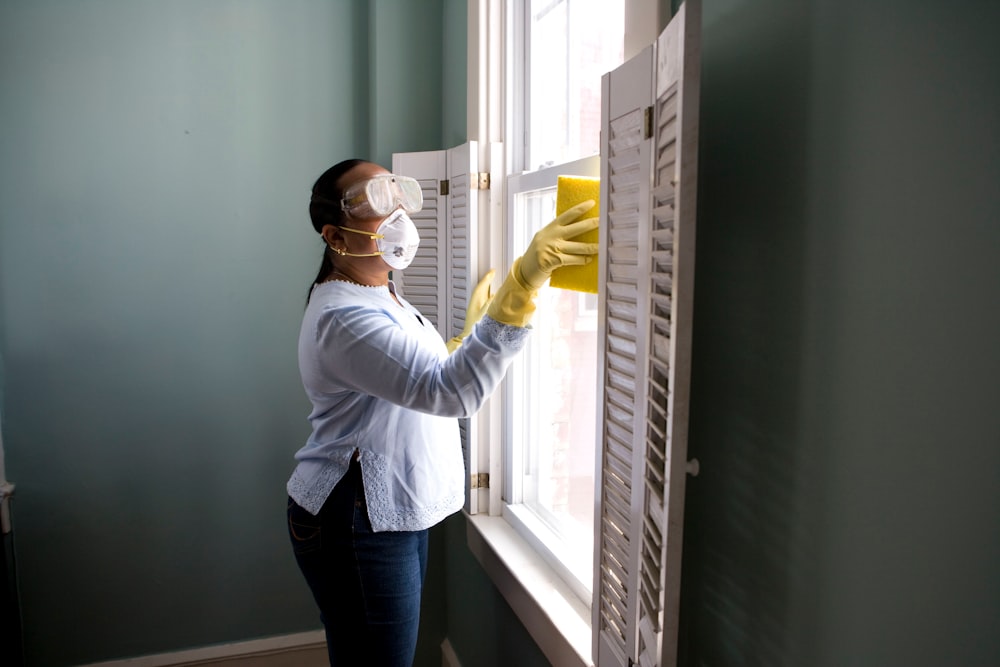
All cleaning staff working in industrial environments must be equipped with appropriate Personal Protective Equipment:
- Safety footwear (steel toe, slip-resistant)
- Gloves appropriate to chemicals used
- Eye protection when using chemical concentrates
- High-visibility vest in active production areas
- Respiratory protection in dusty or chemical-heavy zones
Documentation and Auditability
Leading industrial facilities require their cleaning service providers to maintain documentation that supports internal audits, regulatory inspections, and quality management systems. This includes:
- Zone-specific cleaning logs signed by supervisors
- Product Safety Data Sheets (SDS) for all chemicals used
- Equipment maintenance records
- Staff training certifications
Conclusion
Industrial cleaning is a professional discipline that requires trained personnel, specialized equipment, and documented protocols. Pro-Services Nordik has extensive experience serving industrial clients across Greater Montreal, Laval and the Laurentians. Contact us to discuss your facility's specific cleaning needs.
Get Your Free Industrial Cleaning Quote